






Сфера культуры
Журнал «Сфера культуры» - научное рецензируемое издание по культурологии, искусствоведению, филологии, философии, подготовке специалистов социокультурной сферы в российских вузах. Журнал служит открытой академической площадкой для обмена интеллектуальным опытом, апробации результатов исследований, запуска креативных идей, обсуждения гуманитарных проектов, популяризации новых знаний, сохранения культурных традиций, внедрения новых социокультурных практик. В журнале публикуются результаты теоретических и прикладных исследований, которые способствуют пониманию современной социокультурной политики, тенденций культурных изменений, потенциала культуры, места России в мировом культурном процессе.
Объявления Ещё объявления...

Журнал «Сфера культуры» включен в «Белый список» (ЕГПНИ)Размещено: 15.10.2025
Дорогие коллеги! С радостью сообщаем вам, что журнал «Сфера культуры» включен в «Белый список» — Единый государственный перечень научных журналов (ЕГПНИ). По итогам категорирования журналу присвоен У2. URL: https://journalrank.rcsi.science/ru/record-sources/details/30620/ В соответствии с Постановлением Правительства РФ №1494 от 06.11.2024, опубликованные в нашем журнале статьи могут быть использованы для оценки публикационной активности авторов и представляемых ими организаций. |
|
|
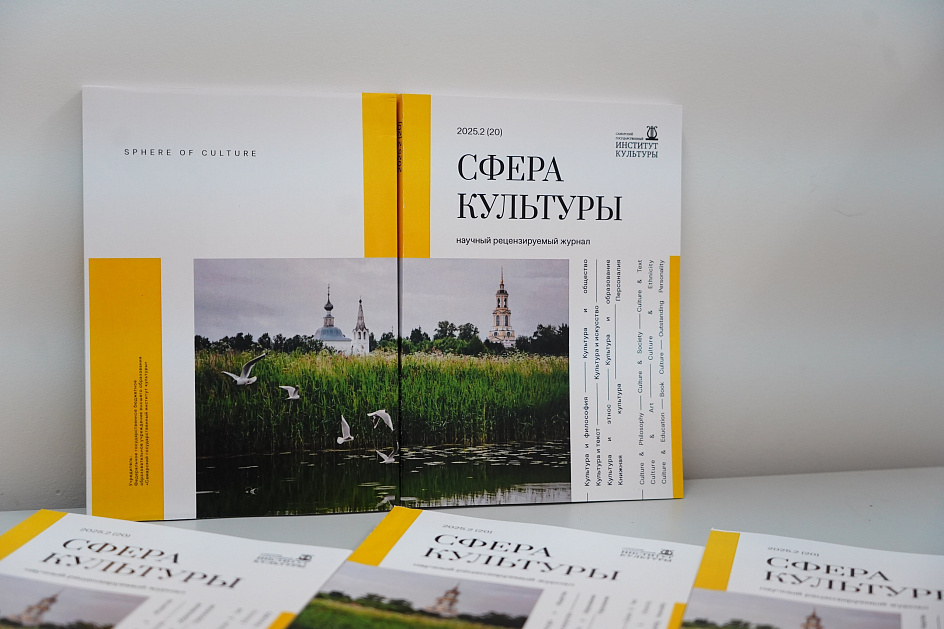
Издание «Сфера культуры» вошло в «Белый список» научных журналов.Размещено: 17.09.2025
Решением Межведомственной рабочей группы по формированию и актуализации «Белого списка» научных журналов сформирована российская часть Единого государственного перечня научных изданий. Перечень создан для мониторинга и оценки публикационной активности в Российской Федерации. Полный список изданий доступен на сайте «Белого списка» по адресу — https://journalrank.rcsi.science/ru/record-sources/. |
|
|
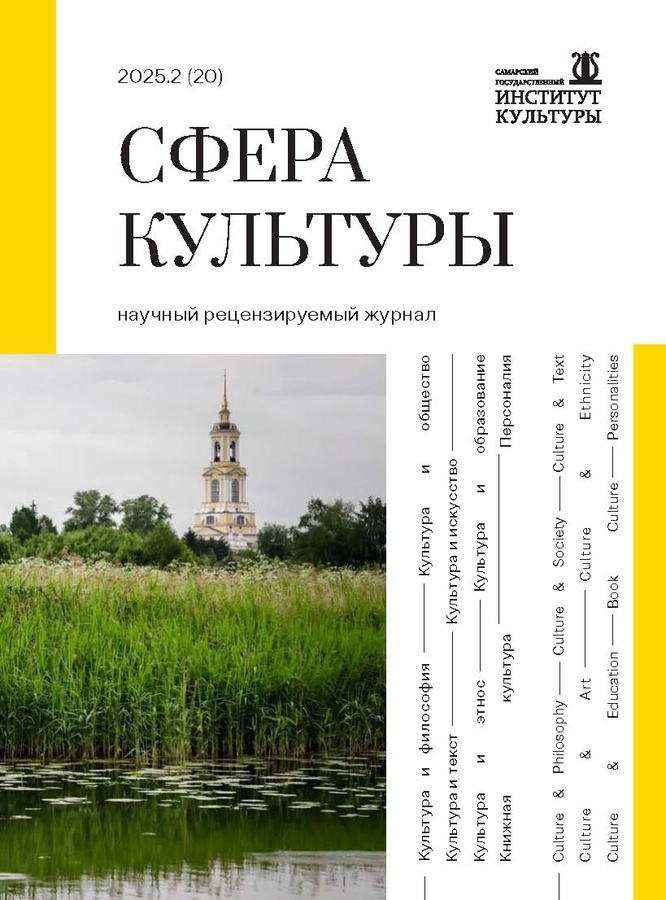
Снова победа. Новые номера журнала «Сфера культуры» будут выпущены на средства гранта от Российского фонда культурыРазмещено: 10.07.2025
В текущем году научный рецензируемый журнал «Сфера культуры», учрежденный и выпускаемый Самарским государственным институтом культуры, в очередной раз стал грантообладателем Российского фонда культуры. Данный проект является одним из ресурсов, способствующих утверждению ключевой роли науки в жизни современного общества, а также повышению статуса российского ученого. До конца 2025 года на средства гранта будут изданы выпуски №3 и №4, в которых будут опубликованы научные статьи ведущих ученых в области культуры и искусства. Журнал будет распространяться по всей территории России (библиотеки, профессиональные образовательные и творческие организации и др.), включая новые территории. Редакцией принимаются статьи по следующим научным специальностям и соответствующим отраслям науки: 5.9.1 Русская литература и литературы народов Российской Федерации (филологические науки); 5.10.1 Теория и история культуры, искусства (искусствоведение, культурология, философские науки); 5.10.3 Виды искусства (изобразительное и декоративно-прикладное искусство и архитектура; музыкальное искусство; театральное искусство) (искусствоведение); 5.10.4 Библиотековедение, библиографоведение и книговедение (исторические, педагогические науки); Возможные варианты авторства: один автор (доктор наук); соавторство (два и более авторов: доктор наук и докторант; доктор наук и соавтор с ученой степенью). Все присланные к публикации статьи принимаются на конкурсной основе, проходят двойное «слепое» рецензирование и допускаются к печати по решению редакционной коллегии. |
|
|
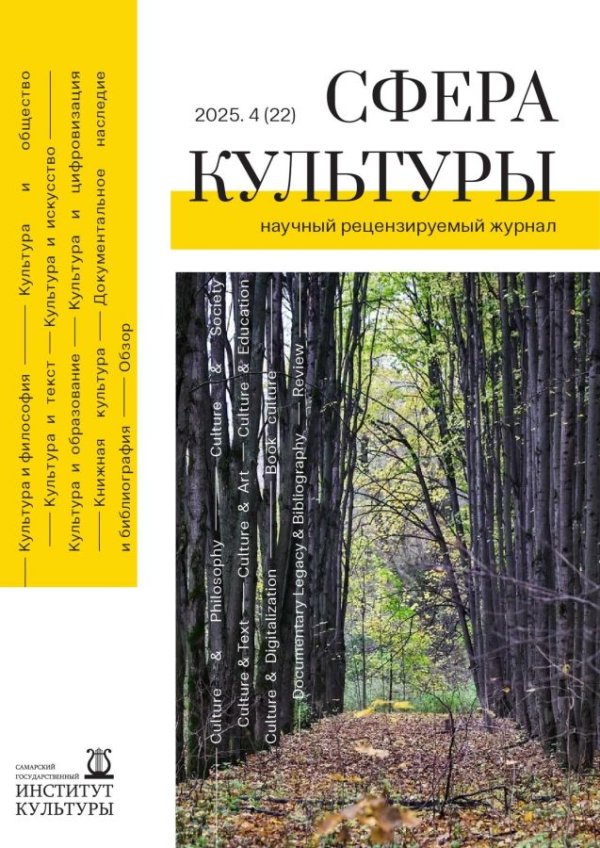
Текущий выпуск
Том 6, № 4 (2025)
- Год: 2025
- Выпуск опубликован: 29.11.2025
- Статей: 11
- URL: https://journals.eco-vector.com/2713-301X/issue/view/14406
Весь выпуск

Культура и философия
Этические и культурные доминанты наследия А.А. Ухтомского: философский и литературный контекст (К 150-летнему юбилею ученого и мыслителя)
Аннотация
В исследовании рассматривается наследие ученого-физиолога и мыслителя Алексея Алексеевича Ухтомского (1875–1942), автора учения о доминанте, которое легло в основу его философии человека как существа внутренне растущего, выстраивающего себя, движущегося к совершенству. Стержнем этого восходящего движения, по Ухтомскому, является вера. Ученый и философ утверждает единство веры и знания, подобно представителям русского космизма Н.Ф. Федорову, П.А. Флоренскому, а также французскому палеонтологу и философу П. Тейяру де Шардену, обосновывает свои идеи и естественнонаучно, и богословски, настаивает на целостности человека и распространяет императив преображения как на духовное, так и на физическое его естество. Как и Ф.М. Достоевский, он отстаивает «тайну человека», которая заключается в способности видеть в другом не Двойника, а Собеседника, критикует цивилизацию и культуру, лишенную религиозного вектора, противопоставляя им идеал соборности и «космической ответственности» человека.
 13-28
13-28


Культура и общество
Региональные аспекты государственной культурной политики в реализации нацпроекта «Культура» (на примере территорий Сибири)
Аннотация
Реализация Федерального национального проекта «Культура» в каждом из регионов Сибирского федерального округа происходит по-разному, имеет территориальные особенности. В настоящей статье выявляются факторы, влияющие на данный процесс, анализируются проблемы, возникающие перед региональной властью, и конкретные результаты, достигнутые на местах за последние 6 лет в 10 субъектах округа. Авторы приходят к выводу, что учет количественных показателей, полученных в ходе реализации нацпроекта, проведен недостаточно; отмечают необходимость выявления качественных характеристик, связанных с особенностями ресурсного потенциала отдельных регионов; ставят вопрос о мониторинге населения, составляющего аудиторию учреждений, занятых в сфере культуры.
31-44
Дауншифтинг в аспекте толстовства
Аннотация
Религиозный ревизионизм Льва Толстого и практика толстовства как форма социально-религиозного протеста оказали влияние на философию дауншифтинга, послужили идеологической основой данного движения в современной России и за рубежом. Авторы статьи акцентируют внимание на едином контексте этих явлений, который включает этику отказа, критику социальных институтов и поиск аутентичного существования в противовес ценностям общества потребления. В исследовании установлены совпадения и различия толстовства первой половины XX в. и современного российского дауншифтинга в аспектах мотивации и этического максимализма.
45-55
Культура и текст
«Диалектика души» ребёнка в повести А.П. Чехова «Степь»
Аннотация
В статье последовательно характеризуются шесть художественных приёмов изображения «диалектики души» ребёнка, составляющих основу психологизма в повести А.П. Чехова «Степь»: 1) мотив дороги как отображение динамики душевных состояний ребёнка; 2) соединение голоса повествователя и несобственно-прямой речи; 3) характеристика чувств ребёнка через внешний мир; 4) «мимический» психологизм; 5) введение элементов детской этимологии; 6) использование образных средств для описания поэтического восприятия мира ребёнком. Новизна исследования определяется использованием термина «диалектика души» применительно к анализу детского художественного образа в произведении А.П. Чехова. Авторы доказывают, что совокупность названных приёмов позволяет писателю эксплицитно и имплицитно показать эволюцию детского сознания, движений души.
59-67
Культура и искусство
Иконы-памятники династии Романовых конца XIX – начала XX В. из храмовых и частных собраний Алтайского края
Аннотация
Бракосочетание и коронация императора Николая II, как и трёхсотлетие Дома Романовых, сопровождались открытием храмов, посвященных святым покровителям царствующих особ, а также распространением икон с образами святителя Николая Чудотворца и мученицы Александры Римской. Авторы статьи рассматривают данную традицию на примере произведений иконописного искусства, выявленных в Алтайском регионе. Образы святых относились к одному иконографическому изводу, но имели различные трактовки в плане компоновки фигур и декоративных решений. Иконы с ликами святителя Николая Чудотворца и мученицы Александры Римской часто заказывались и покупались крестьянами, что свидетельствует о народном почитании правящей династии в конце XIX – начале XX века.
71-82
Объемно-пространственные формы в отечественном художественном текстиле: история, современное состояние
Аннотация
В 1970–80-х гг. в художественном текстиле СССР приобрели популярность объемно-пространственные формы. В настоящее время это направление искусства продолжает продуктивно развиваться в творчестве российских художников. После экспериментов 1990-х гг. и некоторого затишья в начале XXI в. отмечается всплеск интереса к текстильным арт-объектам и инсталляциям. Об этом свидетельствуют крупные всероссийские и международные проекты, успешно реализованные в Санкт-Петербурге, Москве и других городах России в 2011–2025 годах. В статье приводится обзор творческой практики отечественных авторов второй половины ХХ – начала XXI в., связанной с использованием объемно-пространственных форм в художественном текстиле.
83-90
Культура и образование
Технологии творческого проектирования в профессиональной деятельности режиссера театрализованных представлений и праздников
Аннотация
Режиссеры, работающие с массовыми формами праздничной культуры и в сфере концертно-зрелищных искусств, в профессиональной деятельности участвуют в реализации различных творческих проектов, для создания которых характерна определенная специфика. В статье рассматривается эволюция взглядов на технологии творческого проектирования в XX – начале XXI века. Авторы доказывают, что в разработке проектов данного профиля на современном этапе целесообразно сочетать четыре подхода (идейный, проблемный, коммерческий и семиотический). Эти методологические основания также следует учитывать при проектно-творческой подготовке студентов-режиссеров театрализованных представлений и праздников.
93-106
Культура и цифровизация
Траектории цифровой социализации: потенциал воздействия книжной и игровой онлайн-индустрии
Аннотация
В исследовании рассматривается проблема цифровой социализации детей и подростков в контексте формирования социокультурного опыта личности (осваиваемых ценностно-нормативных моделей, ролевых и идентификационных сценариев), опосредованного влиянием цифровых данных и информационных технологий. Особое внимание уделяется коммуникативным стратегиям, связанным с читательскими (книжная индустрия) и игровыми (видеоигры) сетевыми практиками. Анализируются результаты комплексного анкетирования, проведенного авторами, для того чтобы выяснить отношение детей и подростков (650 респондентов) к чтению и играм в цифровом пространстве.
109-119
Книжная культура
Региональная периодика 1920-х гг. как историко-книговедческий ресурс (на примере самарской газеты «Коммуна»)
Аннотация
Материалы, опубликованные в 1920–1928 гг. центральной газетой Самарской губернии «Коммуна», освещали различные события, происходившие в полиграфическом производстве, книгоиздании и книжной торговле Самары. В статье раскрывается ценность газетных статей и заметок как содержательного источника изучения истории Самарского полиграфпрома, Губернского отделения Госиздата, деятельности магазинов и уполномоченных Торгсектора Госиздата, а также профессионального движения самарских печатников в обозначенный период.
123-133
Документальное наследие и библиография
Н.П. Лихачев и Московская городская художественная галерея Третьяковых (по материалам переписки с Е.М. Хрусловым)
Аннотация
В статье анализируется переписка академика Н.П. Лихачева (1862–1936) с хранителем Московской городской художественной галереи Павла и Сергея Михайловичей Третьяковых Е.М. Хрусловым. Она относится к 1902–1905 гг. и посвящена в основном подготовке и изданию каталога древнерусской живописи, собранной П.М. Третьяковым. В результате комплексного источниковедческого дискурса выясняются методические аспекты исследований Н.П. Лихачева в области иконописи и уточняется его вклад в развитие русского искусствоведения.
137-146
Обзор
Встреча на Вотской земле: итоги работы круглого стола «Проблемы археографии, источниковедения и исторической библиографии» в Ижевске
Аннотация
В обзоре представлена характеристика 17 докладов, сделанных в мае 2025 г. в Удмуртском институте истории, языка и литературы Удмуртского федерального исследовательского центра Уральского отделения Российской академии наук (г. Ижевск) на заседании круглого стола «Проблемы археографии, источниковедения и исторической библиографии». Данное мероприятие продолжает традицию круглого стола «Библиографическое и археографическое источниковедение в библиотеках, архивах и музеях», работавшего в структуре Российской библиотечной ассоциации (2009–2024 гг.). Сделанные на заседании доклады посвящены различным аспектам исследования и публикации исторических источников, проблемам исторической библиографии и биографики, региональной археографии.
149-157